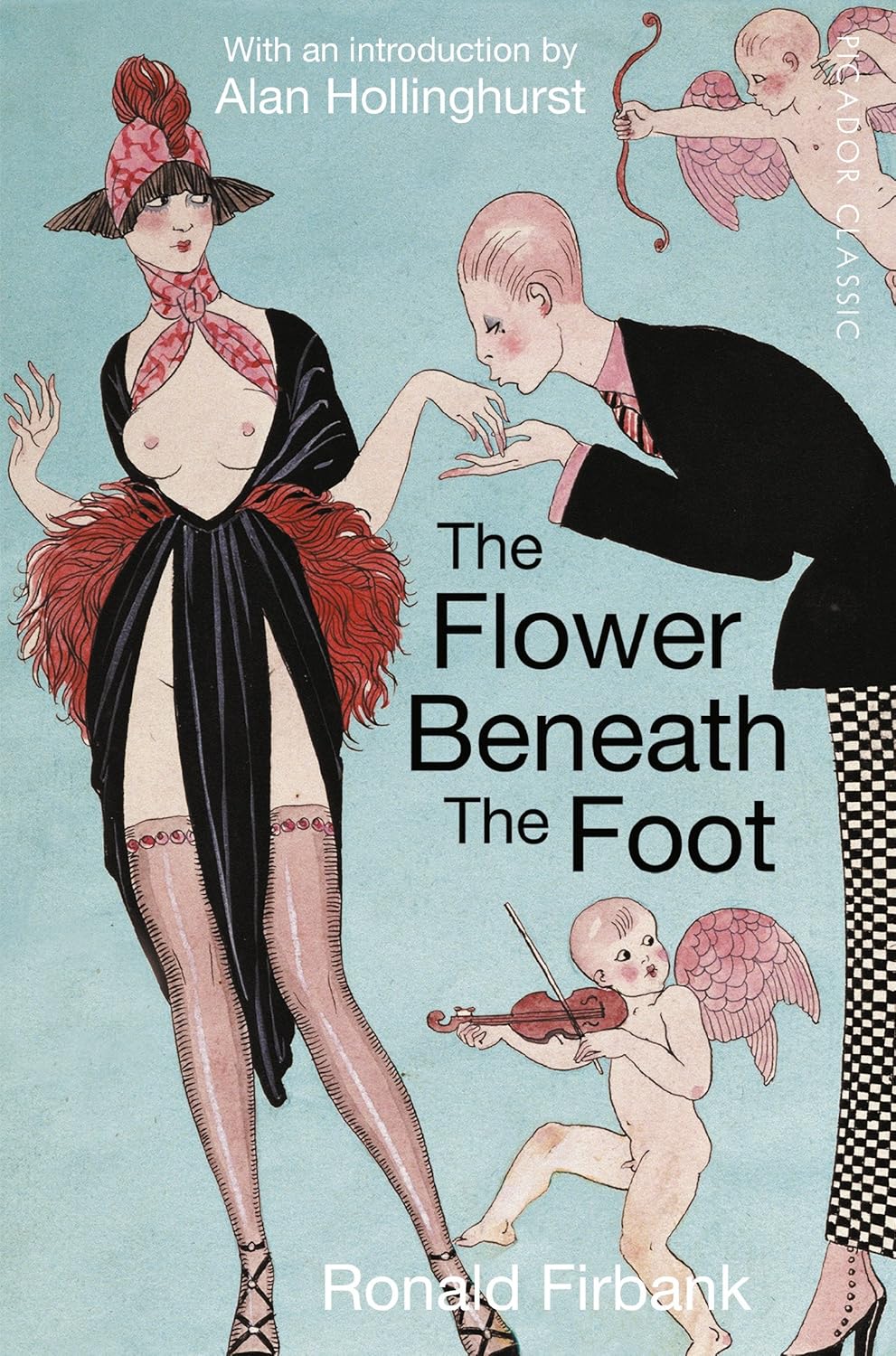
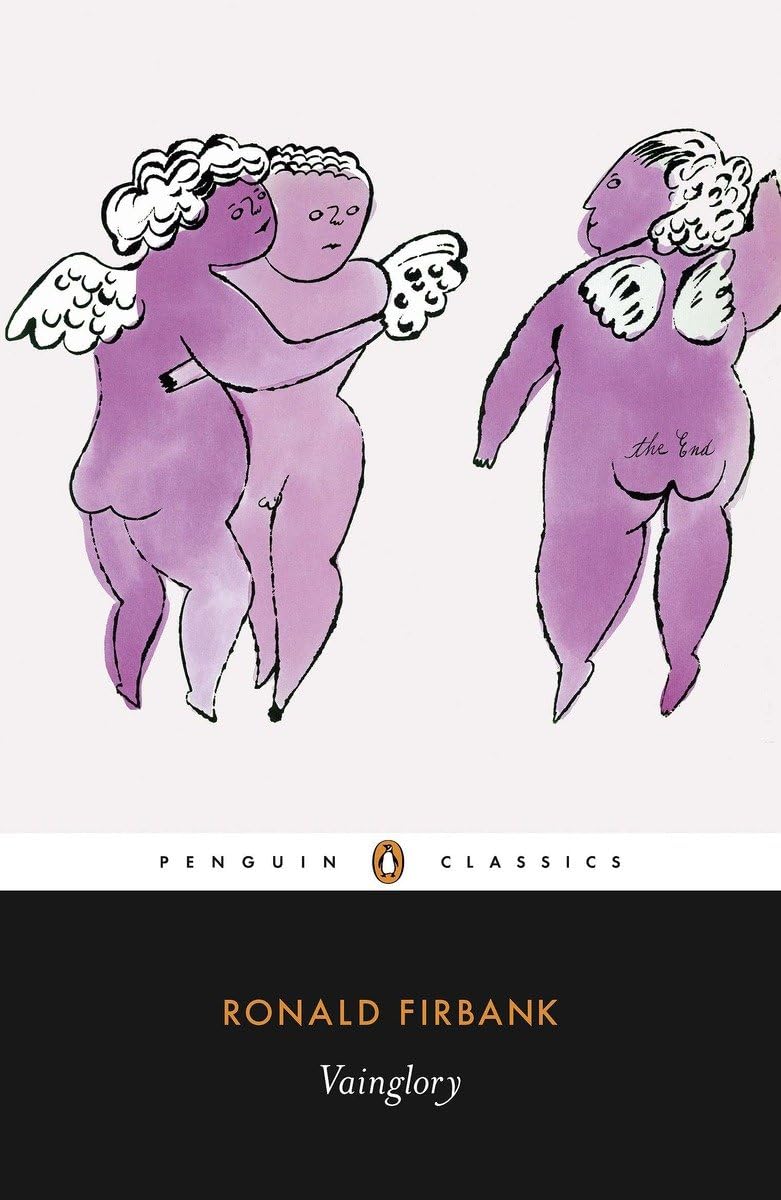
Mr Firbank’s Vainglory is the most perfect flower of a fatigued society which, having produced this masterpiece, can now pass on, confident of a ‘niche’, to use one of the author’s own words. The Dial, 1925.
You’re neither unnatural, nor abominable, nor mad; you’re as much a part of what people call nature as anyone else; only you’re unexplained as yet – you’ve not got your niche in creation. Radclyffe Hall, The Well of Loneliness, 1928.
I do have a fondness for the word ‘niche’, and not only because it rhymes with ‘quiche’.
In terms of making art, ‘niche’ is sometimes used interchangeably with ‘cult’. But there is an important distinction.
‘Cult’ suggests a small following, but it is one where the fans can go a bit too far. There may be strong drugs, secret ceremonies, conspiracy theories, not washing, that kind of thing. Some examples of cult novelists, if rather different ones, are William Burroughs, Baron Corvo, and Ayn Rand.
‘Niche’, on the other hand, is much more civilised. Niche suggests a small following, but it is one where the fans are graceful in their ardour. Niche creators are people like Ronald Firbank, Brigid Brophy, the musician Momus, whose memoir is simply titled Niche, and, I like to think, myself.
Cult authors often reject the world at large. They go off-grid and into jungles. They seek astral planes, menhirs, suspicious herbs and even more suspicious beards. Niche writers shave and take a folding chair.
A niche writer may be as strange and as difficult as a cult writer, but they still tend to enjoy the comforts of civilisation, with its libraries and its dry cleaners and its peacock-shaped coat hooks in the toilets (I am specifically thinking of the upstairs toilets at Café 1066 in the Priory Meadow Shopping Centre, Hastings).
Niche writers still want a place in the world, even if it’s just a rented room. Hence the wider meaning of niche: a little slot to fit into.
**
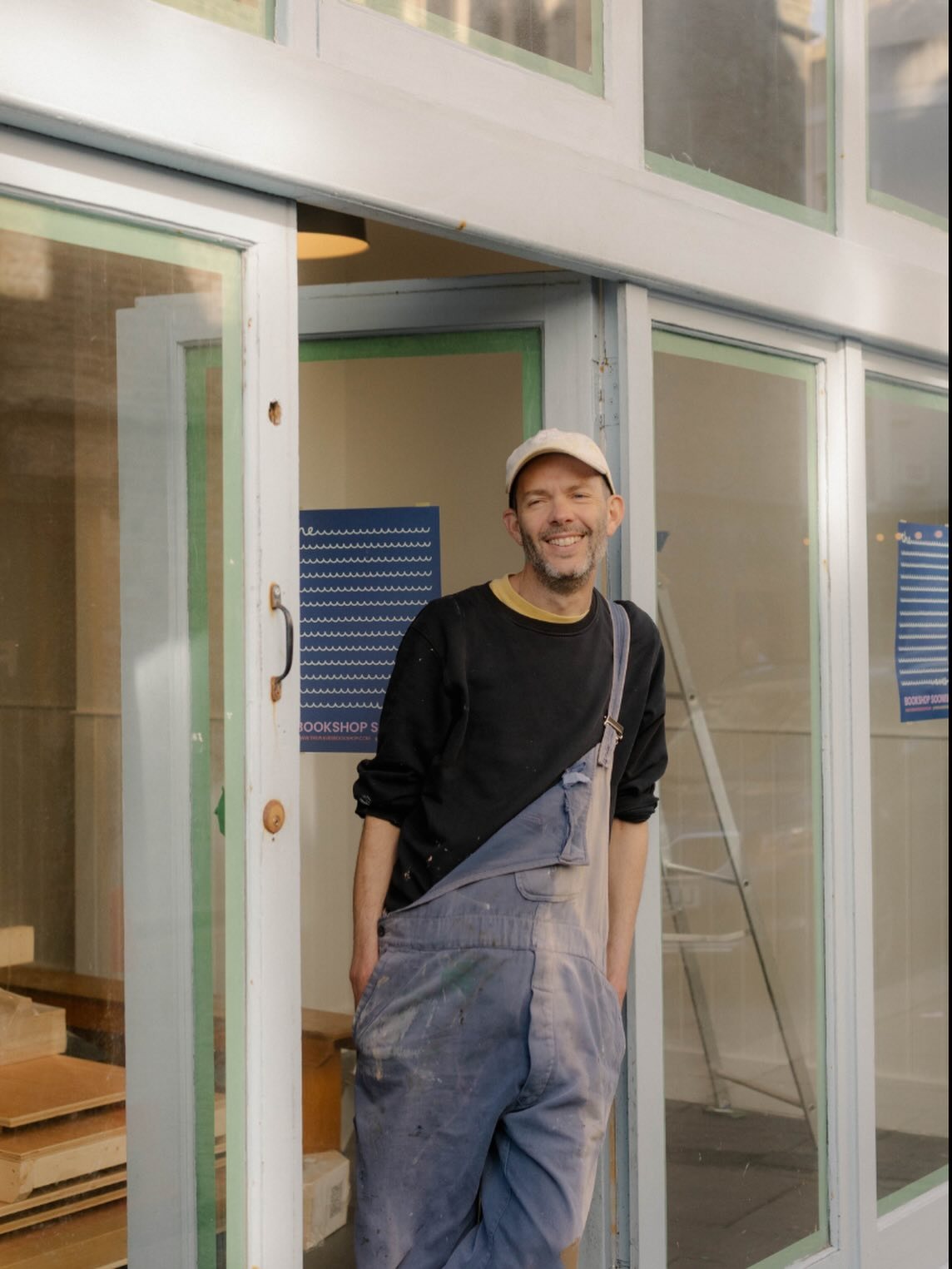
In this spirit, last week I hand-delivered copies of my nichebook to be sold at The Waves Bookshop, at 10 Claremont, Hastings. The Waves only opened three weeks ago, and I am overjoyed that it exists. It has an emphasis on new literary writing, classic gay books, arty magazines, Virginia Woolf books (obviously, given the shop title), and it also doubles as an art gallery. The owner is Jamie Atherton.
From the Waves Bookshop’s Instagram
If you are going to open a groovy new shop in Hastings, it helps to be called Amy or, if male, Jamie. There is the art, embroidery and stationery shop Bus Stop Studios, at 53 London Road, run by Amy Burt, where I get my cartridges of purple ink for my Kaweco fountain pen. Then there is the pleasant Folks coffee shop, a few doors closer to the sea at 45B London Road, which is run by Amy Dutton.
The argument for ‘Jamie’ as a male counterpart for ‘Amy’ recalls the London gender-flipped production of the Sondheim musical Company, which I saw in 2018. The character of Amy, the neurotic bride-to-be who sings the fast, hilarious showstopper ‘Getting Married Today’, was turned into a gay groom-to-be, Jamie. In that version he was played by Jonathan Bailey, who has since gone on to be the love interest in Bridgerton and the Wicked films.
Hastings HMV sells a Jonathan Bailey calendar, alongside ones for Taylor Swift and Harry Styles. I couldn’t see a Dickon Edwards calendar there, but there’s still time.
Company is also the musical that includes the song ‘Being Alive’, an earlier incarnation of which had the rather good title of ‘Multitudes of Amys’ . Now, when I think about the shops of Hastings, I think about multitudes of Amys.
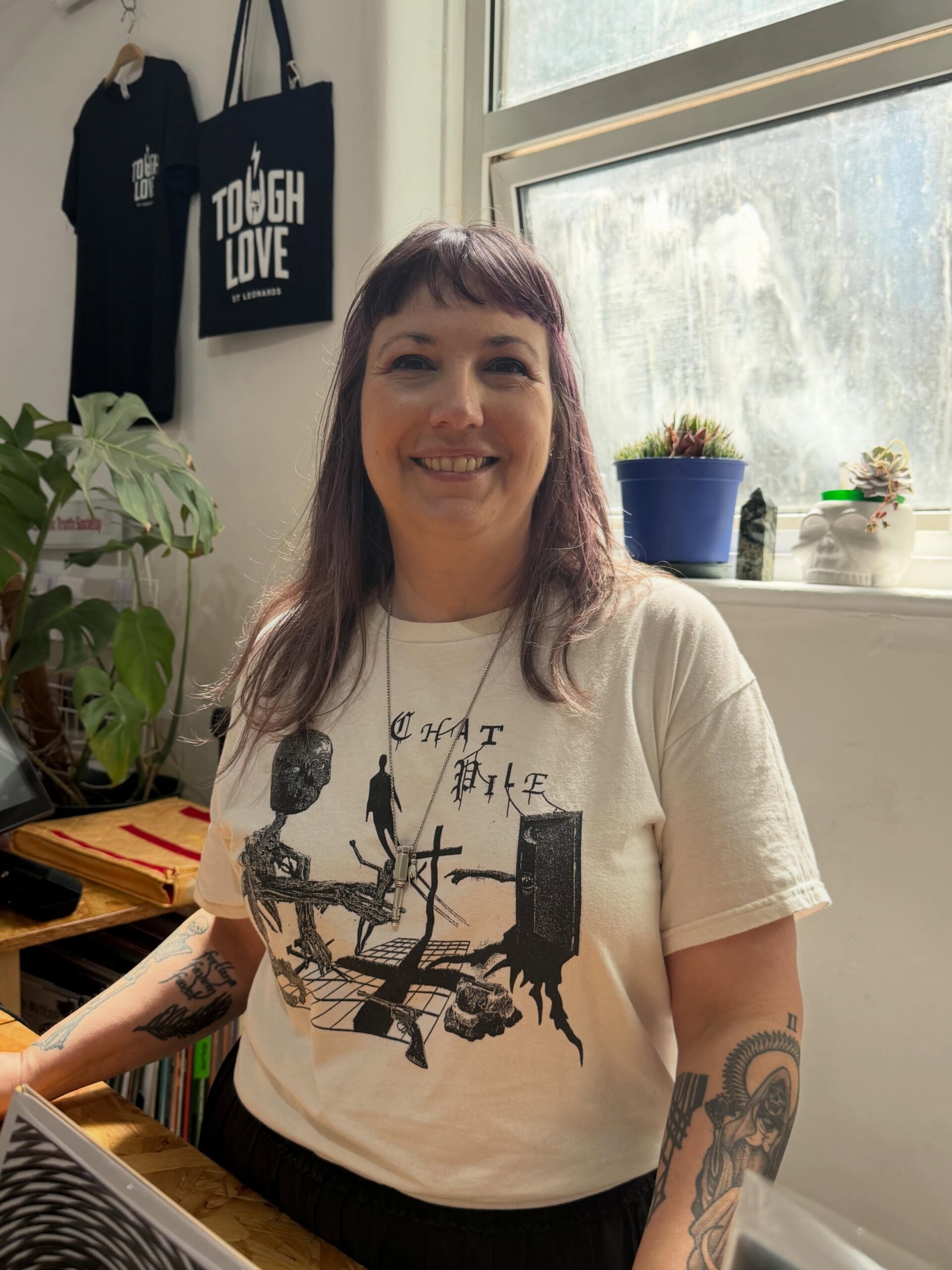
Tough Love Records, which has just moved from Bohemia Road to 8 London Road, even closer to the sea, is run by an Anja. So that’s the end of that theory.
This splendid emporium stocks a decent range of new CDs as well as new vinyl, and I still buy CDs, still loving their compact smallness, not to say their cheapness compared to new vinyl. Tough Love also has an attractive mini-café by the window, with sofas, where I can vent my overcaffeinated opinions about music.
From Tough Records’s Instagram
Anja Petitto is a fan of heavy rock, but she also loves Sparks, Abba and Beyoncé. While I was there last week, sipping my oat Americano, she played me the new Blood Incantation album, All Gates Open, which was singled out for praise in the latest issue of The Wire magazine.
One might think, given their name and their usual genre of death metal, the Blood Incantation album would have noisy rock songs about nasty things happening with corpses. In fact, the album is ambient and quiet and dreamy in the Brian Eno style. This is a healthy reminder that genre can be a departure point as much as a destination, and that a cult band can make a niche record.
**
Fans of niche writers do not hold conventions, they hold symposia.
On Friday 22nd May 2026, I was invited to London to speak at a symposium for Ronald Firbank, held on the occasion of the centenary of his death.
The venue was the Warburg Institute in Bloomsbury, a building affiliated with the University of London. When I joined the Institute to use its library a few years ago, the staffer on the desk recognised me from the 90s band Orlando. ‘I was a fan, back in the day’. She was perfectly matter-of-fact in saying this. Proof, perhaps, of my own niche status.
The main speaker was the novelist Alan Hollinghurst, whose talk on Firbank (‘The Firbank Century’) was a properly crafted literary piece, like a Henry James short story. One hopes he will publish it soon, so it can reach the wider audience it deserves.
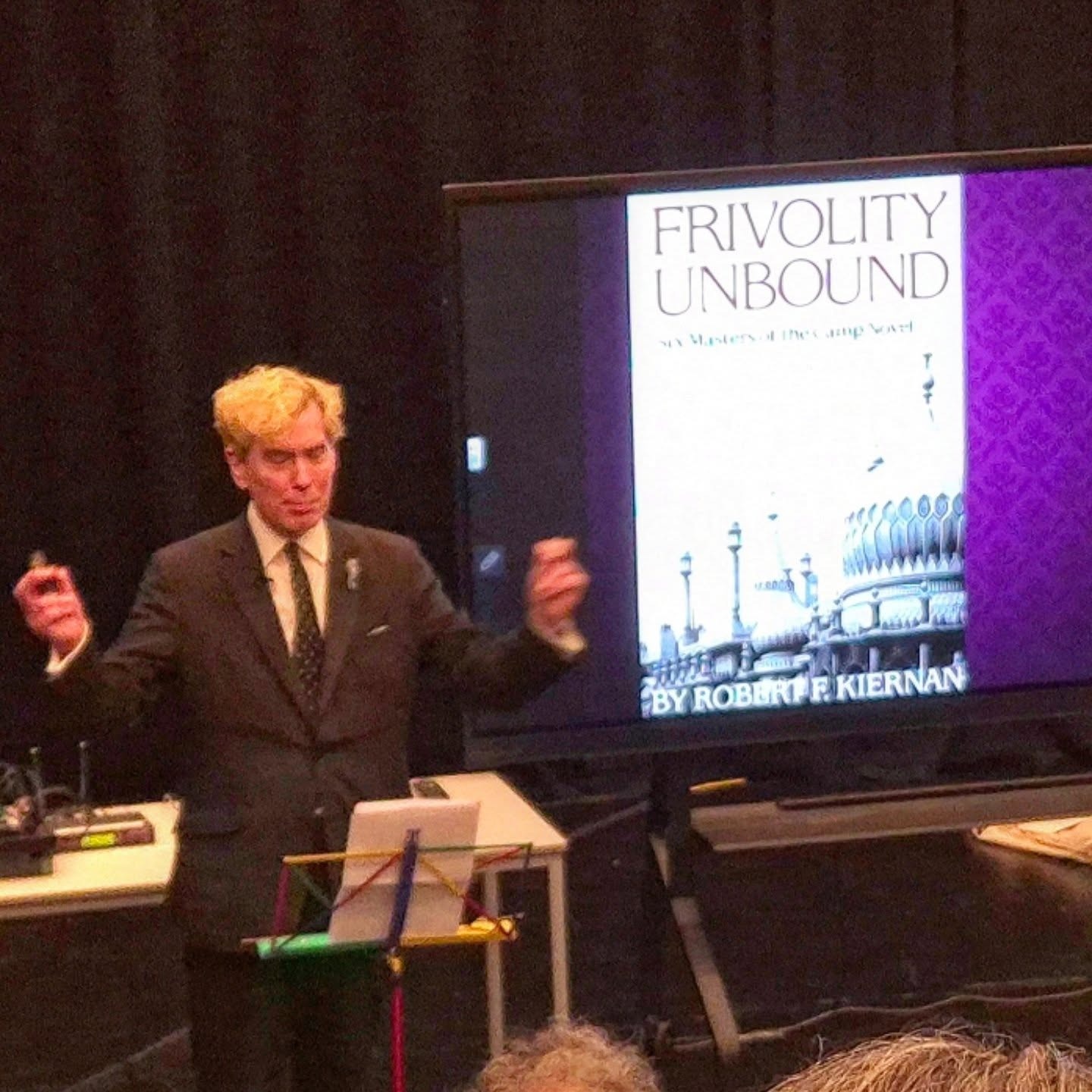
My own talk was on the history of the word ‘Firbankian’, and how it was used in magazines like Vogue in the 1930s as a synonym for high camp. What’s particularly interesting is that the phrase ‘high camp’ itself didn’t exist in print until the 1950s, when Christopher Isherwood coined it for his novel The World in the Evening. In the 1930s and 40s, magazine writers who wanted to imply that sort of thing reached for ‘Firbankian’, and their readers understood.
A few days after this talk I received a kind email from the author Richard Davenport-Hines, who was in the audience. He said I had ‘just the right combination of frivolity and scholarly thought’.
The symposium featured several other speakers, a short film, and a rehearsed reading of Firbank’s play The Princess Zoubaroff, the cast of which included Miranda Richardson.
Everyone involved in the Firbank symposium was thoroughly fragrant. I chatted to Susannah Clapp, who went on to write up the symposium for The Observer. The fact that the Observer was interested shows that writing about a niche writer never feels like a personal indulgence. Writing about a cult writer, on the other hand, carries that risk.
**
Among the symposium’s external events was a walking tour of Firbank’s London hosted by Richard Canning. I love that Professor Canning not only edited the 2012 Penguin Classics edition of Firbank’s Vainglory but that he also performed in a student comedy troupe with Stewart Lee and Richard Herring in the 1980s; they were called the Seven Raymonds. These worlds are not so different. Firbank’s work is a form of strange and intelligent comedy in prose; Stewart Lee’s stand-up comedy features jokes about how he’s too strange and intelligent for most of his audience.
This is the ideal: to remain true to yourself, yet still appeal to the common niche-ness in enough people to make a living. Everyone feels niche at some point; it’s just another word for lonely.
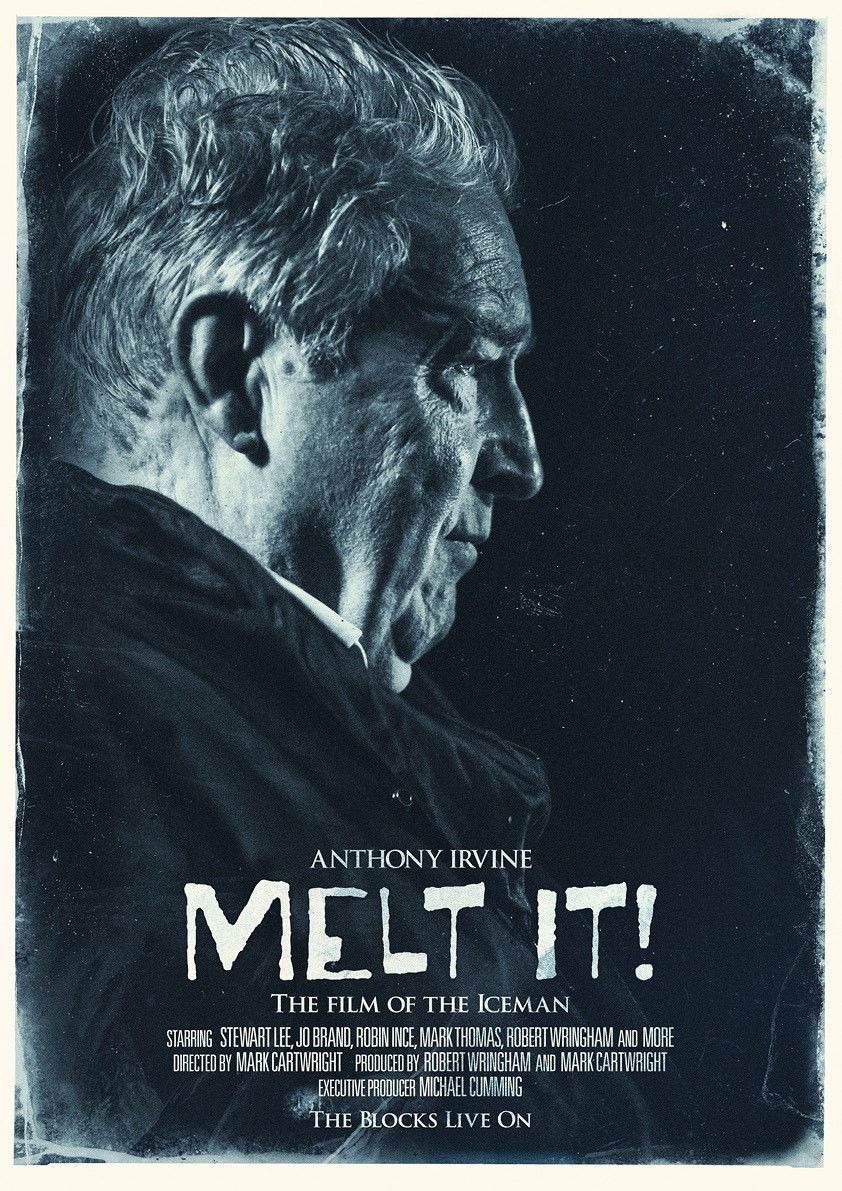
There is a new film on this subject that I’m keen to see. An enigmatic comedy performer from the 1980s has just had a documentary made about him: the Iceman, aka Anthony Irvine. His comedy act was to melt a block of ice onstage in various strange ways, and that was it. Anyone who saw him never forgot him.
The film features Stewart Lee and Jo Brand, among others, and is called Melt It! The Film of the Iceman. It is about to be screened at various UK venues over the summer, and I strongly recommend it. It makes perfect sense that one of the producers, Robert Wringham, is also the publisher of my diary book. He clearly believes in flying the flag for niche.
Melt It! will be screened at selected cinemas across the summer, including St Leonards-on-Sea (Kino-Teatr) on 19th July, and London (The Bill Murray) on 23rd August. For further info and other screenings, go to: wringham.co.uk/film
This online diary was begun in 1997. It is thought to be the longest running of its kind. The archive contains over twenty years of exclusive knowledge, all searchable and free to read without adverts or algorithms or clickbait. It depends entirely on donations by readers to keep it going. Thank you!
This piece is fairly long and is made up of several sections. It includes an account of my talk on Aubrey Beardsley at Brighton, along with tips on public speaking.
The trouble with dandyism is that it makes it hard to do anything that feels like Joining In. When I started the web diary in 1997, before the word ‘blog’ was invented, it was considered a strange thing to put one’s life on the internet full stop. Today, this practice is commonplace, if not the default. Almost everyone now thinks they are worthy of attention from strangers, whether it’s posting on social media or posting on Substack or posting on OnlyFans. And that all rather makes it harder for me to stand out.
If I were happier with my body I would show it off on OnlyFans. Instead, I am a writer, or rather a ‘content creator’, on Substack, which is the OnlyFans of the mind.
Still, on Sunday 7th June 2026 at around 10.45 a.m., I received fresh evidence that, if nothing else, my external appearance still stands out in the crowd, for better or for worse.
I was walking along the seafront here at St Leonards to meet some friends at the Goat Ledge beach cafe. There are benches along the promenade, set in sheltered alcoves. These alcoves are popular, needless to say, with certain social groups who like to Hang Out. The expected roll call of junkies, meth addicts, stoners and alcoholics, as well as bored teenage lads in the regulation black tracksuits and hooded tops.
As I approached one of the alcoves in my linen suit and tie, I saw a group of grizzled-looking older men in there. They were already staring at me. So I braced myself for the possibility of an unkind catcall.
One of the men shouted at me as I passed:
‘You look magnificent, sir!’
Then his friend next to him added:
‘You always do!’
I hope this means I am still capable of providing interesting content, if only as punctuation in the infinite scroll.
**
In the same way that I take too long to get dressed, I take too long to write. I envy people who can really churn out ‘content’. It may be true that fools rush in where angels fear to tread, but everyone prefers a fast fool to a slow angel, every time. Fast fools meet deadlines.
Today, a professional writer not only has to compete with other writers who are much faster, but with AI too. AI really should stand for Arrogance and Instantaneity. It makes mistakes, but it does so with speed and extreme confidence, which is really just a fig leaf for arrogance.
AI may be new, but the world has always respected speed and arrogance. Successful politicians get away with lies, and successful podcasters get away with rambling audio content that could really do with editing down. But both sets of people deliver these things regularly, and they deliver with confidence. And that’s why they do so well. Never mind the quality, feel the bandwidth.
All of which is a way of saying that I need to just get on with it and try and put the haste back into Hastings.
**
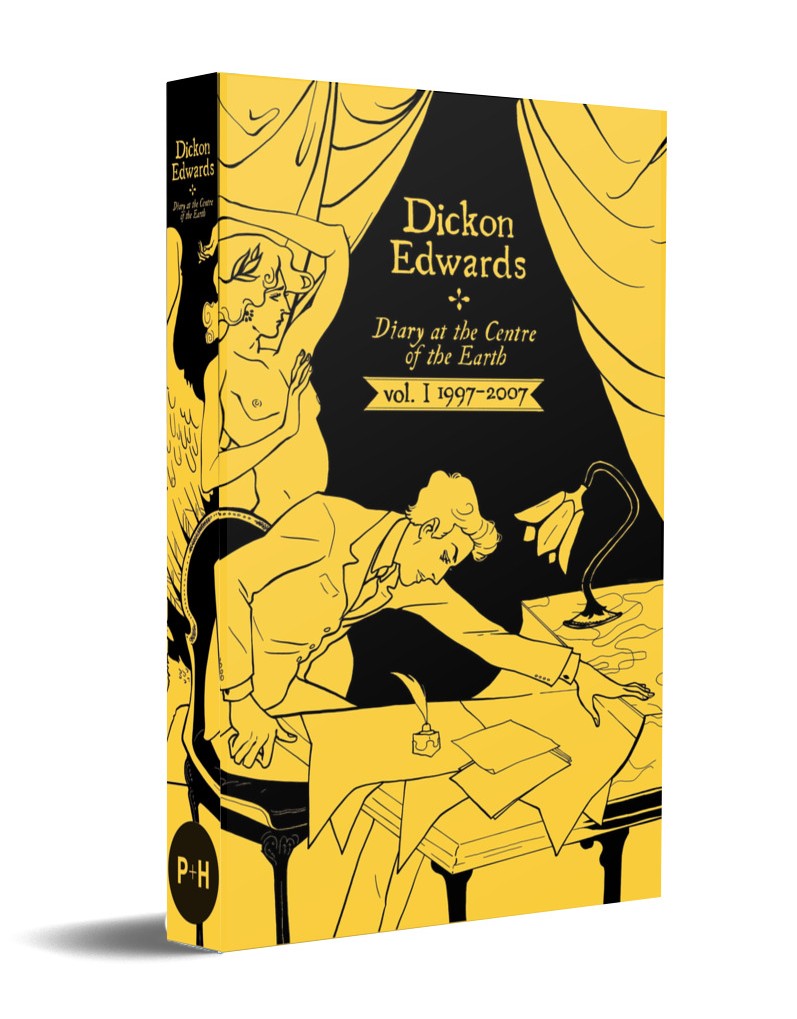
Recently, Tribune magazine published a flattering article about my book Diary at the Centre of the Earth Vol 1, now available in a new printing for 2026. The article, ‘Samuel Pepys Who?’ by Claire Biddles, quotes several lines from the diary book, including this one:
“It’s always important to go where you’re invited. That way it’s someone else’s fault.”
This was the case on Saturday 28th March of this year when I was invited to give a talk about Aubrey Beardsley at Brighton Sixth Form College. Beardsley was a former pupil there, from the time when it was Brighton Grammar School. I was contacted out of the blue by one of the current staff there, Alison Cousens, whom I once knew from my indie band past. She was in the 1990s Sarah Records band Brighter.
It turned out that Alison was looking for someone to give a talk on Beardsley at the college’s community history festival. On the internet she stumbled upon my essay, ‘“Donald! Susan! Ronald! Brigid!”: The Camp Afterlives of Aubrey Beardsley’ on the website of the Aubrey Beardsley Society.
She told me later in a phone call: ‘I thought, “I wonder if that’s the same Dickon Edwards?”’
There are in fact at least two other Dickon Edwardses, a barrister and a deputy headteacher. But no, this Aubrey Beardsley one was indeed the indie band one that she remembered. So she got in touch.
On the phone I was happy to tell Alison C that in recent years I had reviewed a book about her old band and Sarah Records for The Wire magazine. I added that the magazine had printed a picture of her and her Brighter bandmates to go with the piece. It was a very cute photo of the three of them in their early 1990s youth, jumping about in a field, very much embodying the Sarah Records aesthetic of aloof, child-like adults.
‘Oh, I hate that photo’, she said.
**
The talk was unpaid, though it did cover travel expenses. Given my slow work rate, and my current low income, which is low enough to necessitate checking in with Hastings Job Centre every fortnight, I should probably hesitate before accepting unpaid work. But I said yes. It was for a free community festival, after all. And I like Alison C. And it’s nice to feel important, particularly in Brighton, one of my favourite places.
And although accepting the job meant spending many unpaid hours doing research and lurking in libraries and archives, because I like to do a good job with my talks, that’s my idea of a good time anyway.
I made a special trip to the Sussex Keep archive in Falmer, in order to look through copies of Beardsley’s old school magazine Past & Present, which published his early work, and which carried reminiscences of him in later issues. When Beardsley was ‘cancelled’ around the time of Oscar Wilde’s arrest, in the sense of losing much of his income through being fired from The Yellow Book and having his reputation tarnished by association with Wilde, the school magazine still carried articles in praise of their former pupil. That said, they only referred to the Salome book without mentioning Wilde’s name, which was a common thing to do in the years after Wilde’s imprisonment.
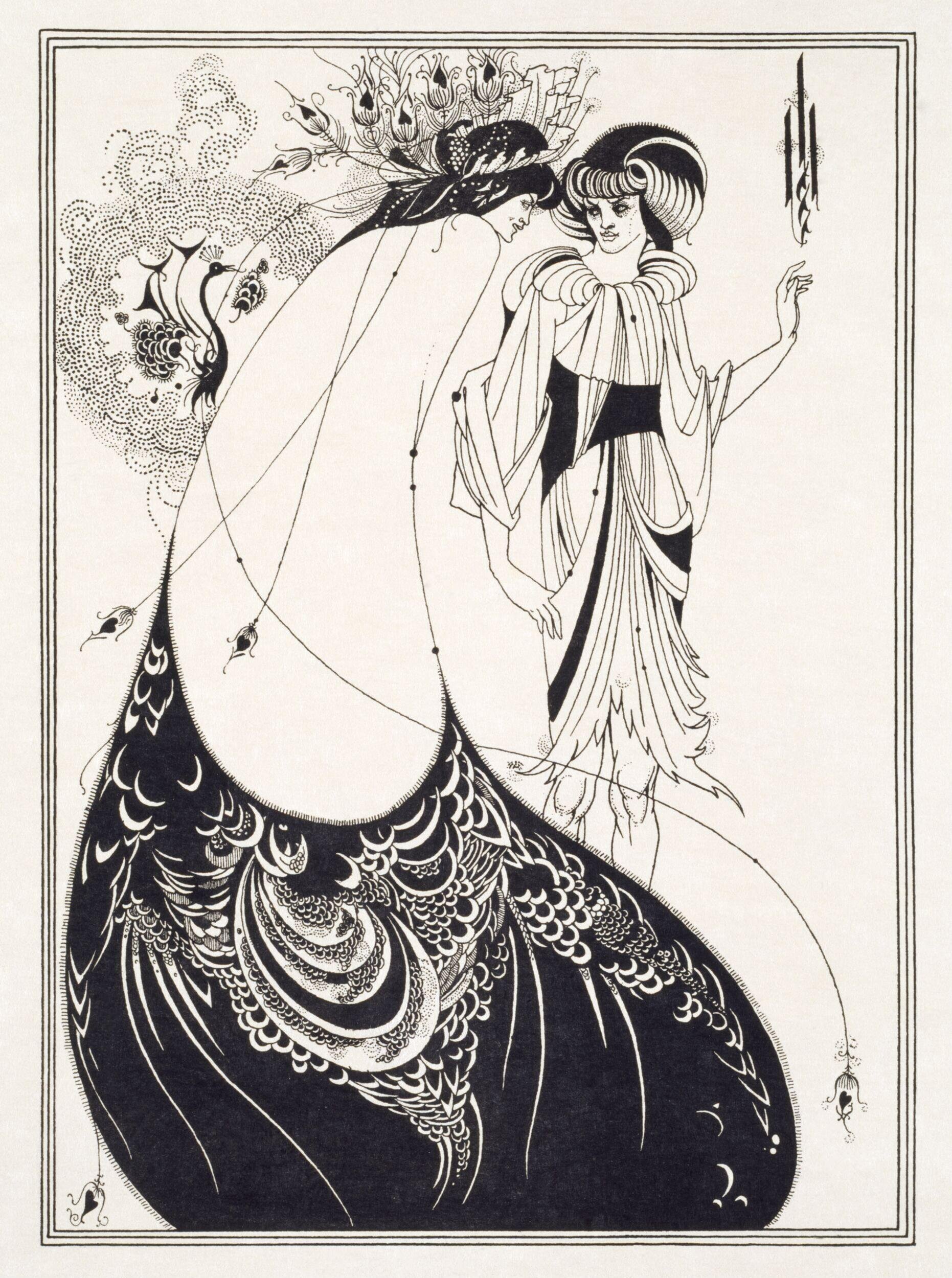
I also consulted several books on Beardsley, particularly the sumptuous two-volume Aubrey Beardsley: A Catalogue Raisonné by Linda Gertner Zatlin. Zatlin’s book has a wonderful early sketch by the young Beardsley of the railway viaduct near Brighton London Road station, which I travelled over in my approach to the city. The viaduct is built on a long and graceful curve, not unlike the one in Beardsley’s Peacock Skirt.
I was curious to know which single artwork is Beardsley’s most reproduced; his Mona Lisa. Zatlin suggests several contenders, all from the illustrations to Oscar Wilde’s 1893 play Salome. One is the The Dancer’s Reward, which is the one where Salome holds John the Baptist’s severed head on the plate, another is The Climax, whereSalome floats in the air for no good reason, and kisses the same head, whose blood drips down to form a white lily.
The Dancer’s Reward
The Climax
There’s also The Peacock Skirt, which is Beardsley at his prettiest and least grotesque, as used as part of a trendy London flat’s decor in the film Carry On Loving.
The Peacock Skirt
EH Gombrich’s The Story of Art favours The Toilette of Salome, in which Salome is waited on by a Pierrot clown figure, which is not in the play at all. He just really liked drawing Pierrot clowns.
The Toilette of Salome
I managed to mislabel one of my slides, due to using Google Images, a mistake I owned up to when giving the talk. John and Salome is mislabelled on several parts of the internet as ‘Salome with her mother Herodias ’. There are two lessons right there. One, that Beardsley’s figures are still deemed confusingly androgynous even today, and two, that Google is not to be trusted. Stick to authoritative books.
John and Salome
I was keen to make some pop cultural references, so I brought in the Beatles’ Revolver and Sgt Pepper sleeves. I also referred to Harry Styles’s hosting of the 2019 New York Museum of Metropolitan Art’s Met Gala, the theme of which was Susan Sontag’s essay ‘Notes on Camp’. Beardsley was featured in the accompanying exhibition that year, as he is one of Sontag’s examples. I decided not to show one of the drawings that the Met had on display, as it’s one of the naughtier ones, from Lysistrata. The talk was at a family-friendly event at a school, after all.
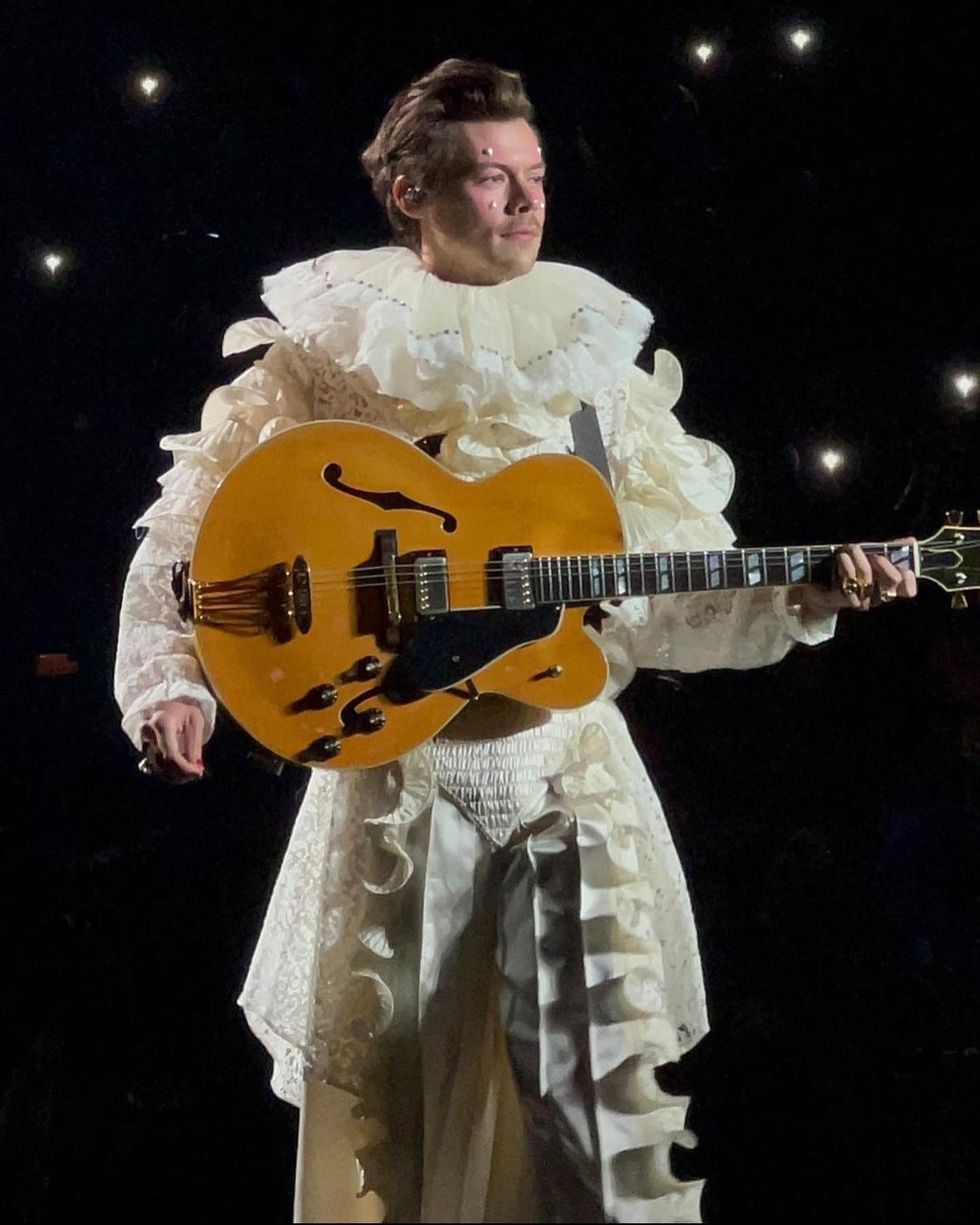
Harry Styles also featured in my talk for his wearing of a Beardsley-influenced fashion suit onstage, as well as a costume based on Pierrot the Clown, another of Beardsley’s favourite themes. Soft masculinity; masculine otherness; camp masculinity, that sort of thing.
Harry Styles on stage
Beardsley, Front end-paper design for Pierrot’s Library, 1895
The argument of my talk was that Beardsley was the most important man in Brighton, in the sense of his spirit being there, and by his representation by a plaque on his birthplace and by a group of exhibits in Brighton Museum, which are currently part of their ‘Queer the Pier’ display. Beardsley was not only born and schooled in Brighton, but because of the influence of the Royal Pavilion on his art, and for his embracing of sexual otherness, camp exoticism, and alternative arts and alternative lifestyles, he was, and is, Brighton personified.
While writing the talk, I used a productivity tool which I find useful: Zoom Pomodoro writing. You meet other struggling self-employed writers or academics on Zoom (or Teams) and have 25 minute sessions of silent work together, while visible (but muted) on webcam. Then you take a 5 minute break, in which you declare what progress you made, and what your ‘nano goal’ for the next 25 mins will be. And so on. It’s cheaper than a writing retreat, and easier to fit into your day.
On one of these sessions, I told one of the other academic Zoom people what I was writing. I should mention that this person was a thirty-ish woman from Syria, whose field was architecture.
‘I’m working on a talk about Aubrey Beardsley’, I said to her.
‘Who’s that?’
‘He was a British Victorian illustrator. Very popular in his time, very influential since. He’s often spoken about in connection with Oscar Wilde.’
‘Who’s Oscar Wilde?’
‘Ah. Right. Well, Oscar Wilde was an Anglo-Irish Playwright from the Victorian age, very popular in his time. Still is now. Perhaps not with everyone. Well, I’m also going to talk about how Aubrey Beardsley connects with… Harry Styles!’
‘Who’s Harry Styles?’
‘Ah. Well, Harry Styles is a British pop singer of the current moment. Um… (sheepishly) Very popular in his time. Which is now. So… perhaps not so popular in Syria. Well, anyway, I’m mostly going to talk about Aubrey Beardsley’s connection with Brighton.’
‘Oh Brighton! I’ve heard of Brighton! I had sunstroke there!’
I learned a valuable lesson from this. Celebrity is overrated. Places are the true common ground.
**
I practiced the talk a few days in advance, with my kind friend Victoria R giving me feedback. Victoria also accompanied me to Brighton and helped me run a stall at the college’s community festival, at which I sold my book.
Here are some tips on speaking in public. Some of the following are from Victoria, some is feedback I have had from others, some is from my own experience.
Write your talk as a script, but don’t read from it verbatim. Put it on a stand and use your hands to illustrate the talk. Use it as a safety net to keep you on track and when your mind goes blank. Print it out in large font and treat it as a serving suggestion.
Write 100-125 words for every minute of the talk. If using slides, use one slide for every 2 minutes of the talk. This works out at 200-250 words per slide.
Forget nerves, plural. Rediscover your nerve, singular.
Slow your speech down. Writing should be fast, speaking should be slow.
Speak in haikus, not in sagas.
Pause more. Breathe more. Breathe at every comma and full stop. Give the words more weight. Give people the chance to digest your words.
Pick a well-known speaker that you admire and play them, like an actor. This is just to get started: your own self will soon come through.
If you need glasses or contact lenses, take them out for the talk. This turns the audience into a blurry single entity. You can now look at them, without looking them in the eye. This helps with nerves. Dusty Springfield used to do this.
I have read elsewhere that one tip is to imagine the audience as a person that you want to have sex with, and so must seduce. Although I can see the reasoning, it’s probably best not to do this when giving a talk at a school.
Regarding a follow-up Q&A, the ideal format is to do what Quentin Crisp used to do: supply blank postcards and small pencils under the audience’s seats. They’re sometimes called ‘golf pencils’ or ‘baby shower pencils’. At the start of the talk, ask the audience to write down their questions on the cards. Then get the cards passed to you at the end of the talk, and answer accordingly. This helps people who don’t like speaking up, or those who have several questions. It also makes for a more polished event, as you just dismiss any question you can’t or won’t answer.
If you can’t do that, and have to do a Q&A with audience members speaking, I have one tip that was passed on to me by a lecturer at Birkbeck. By a male lecturer, in fact, which is relevant:
Always try to take your first question from a woman. Men in an audience are, generally speaking, more likely to use a Q&A to voice an overlong personal opinion rather than ask an actual question. The only other people to ask questions after that, if there’s any time left, tend to be other men with their overlong podcast-like opinions, who now feel emboldened. So always start with taking a question from a woman. And then have a man after that. They’ll be fine, the men.
**
I did the talk.
Photo by Victoria Redfern
I think it went okay. I sold all the books I had brought with me, so that must mean something. The diary book is not even about Aubrey Beardsley. It does, however, have a cover that’s very much a pastiche of Beardsley’s designs for The Yellow Book.
Before leaving, I received a gift from Alexia Lazou, who curated the Beardsley display at Brighton Museum. She was wearing a wonderful black and white dress based on Beardsley’s art. Her gift was a bar of soap in the shape of a lemon, made by the Menton Côté Citron firm, from Menton in France, close to the Italian border. Menton is where Beardsley died from tuberculosis. The plaque on his birthplace at 31 Buckingham Road, near Brighton station, uses the Italian spelling ‘Mentone’, as confirmed when Victoria R and I visited the plaque after the event.
Photo by Victoria Redfern
The plaque dates from 1927, when Brighton council put up its first series of plaques, all designed by Eric Gill, commemorating people with a Brighton connection. They also chose Charles Dickens, George Canning and William Gladstone, and Beardsley’s own headmaster, EJ Marshall, who encouraged the young Beardsley in his art. The Beardsley plaque mentions his time at the Grammar School and calls him the Master of Line. It also reminds the viewer of his shockingly short life: born August 1872, died March 1898. He was just 25. Thirty years later, when the plaque was put up, his mother was still alive; she unveiled it at a ceremony.
While writing this account, I was listening to the new Harry Styles album, Kiss All the Time; Disco, Occasionally. On songs like ‘Aperture’, ‘American Girls’, and ‘Paint By Numbers’ there’s a bittersweet sense of soft masculinity and vulnerability, and of enjoying life while you can. Liam Payne, who was one of Styles’s bandmates in the boyband One Direction, suddenly died in 2024 at the age of 31. One song on the album, ‘Paint By Numbers’, seems to be about him.
“Oh what a gift it is to be noticed”, sings Styles, with clear mixed feelings about fame. And, as I found out, there are plenty of people who go about their lives completely unaware of the names Aubrey Beardsley and Harry Styles, so fame is all relative anyway.
Best just live, put out work while you can, and let others decide if it’s worthy of notice.
**
This online diary was begun in 1997. It is thought to be the longest running of its kind. The archive contains over twenty years of exclusive knowledge, all searchable and free to read without adverts or algorithms or clickbait. It depends entirely on donations by readers to keep it going. Thank you!
NOTES
Diary at the Centre of the Earth Vol 1 is available to buy from poniesandhorsesbooks.com. The line about going where one is invited is in the entry dated Friday 9th January 2004.
I took the connection between Beardsley’s Pierrots and Harry Styles’s Pierrot stage costume from a talk by Samuel Love at the event AB 150: The Artist Resurgent, St Bride Foundation, London, 21st August 2022.