
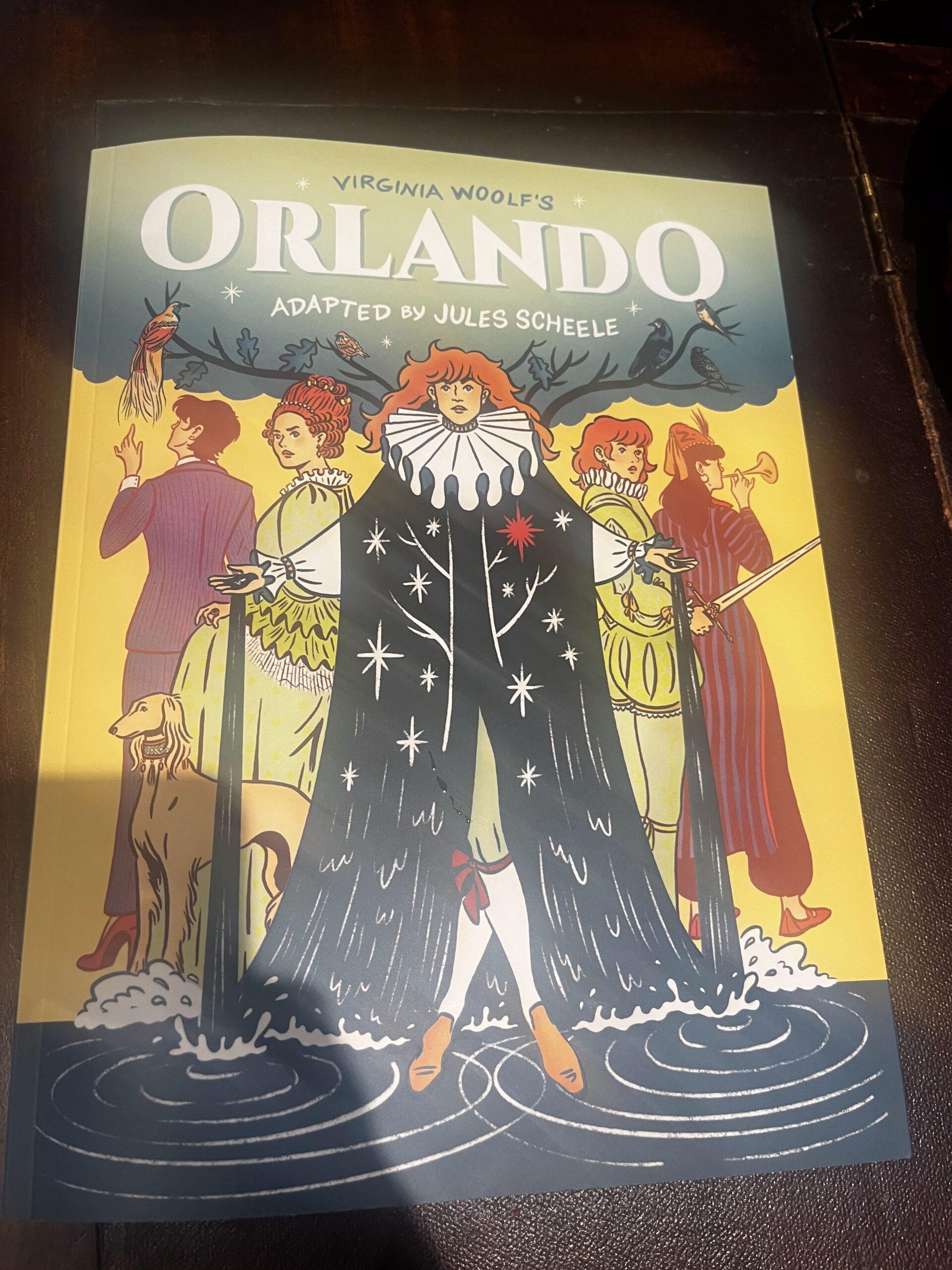
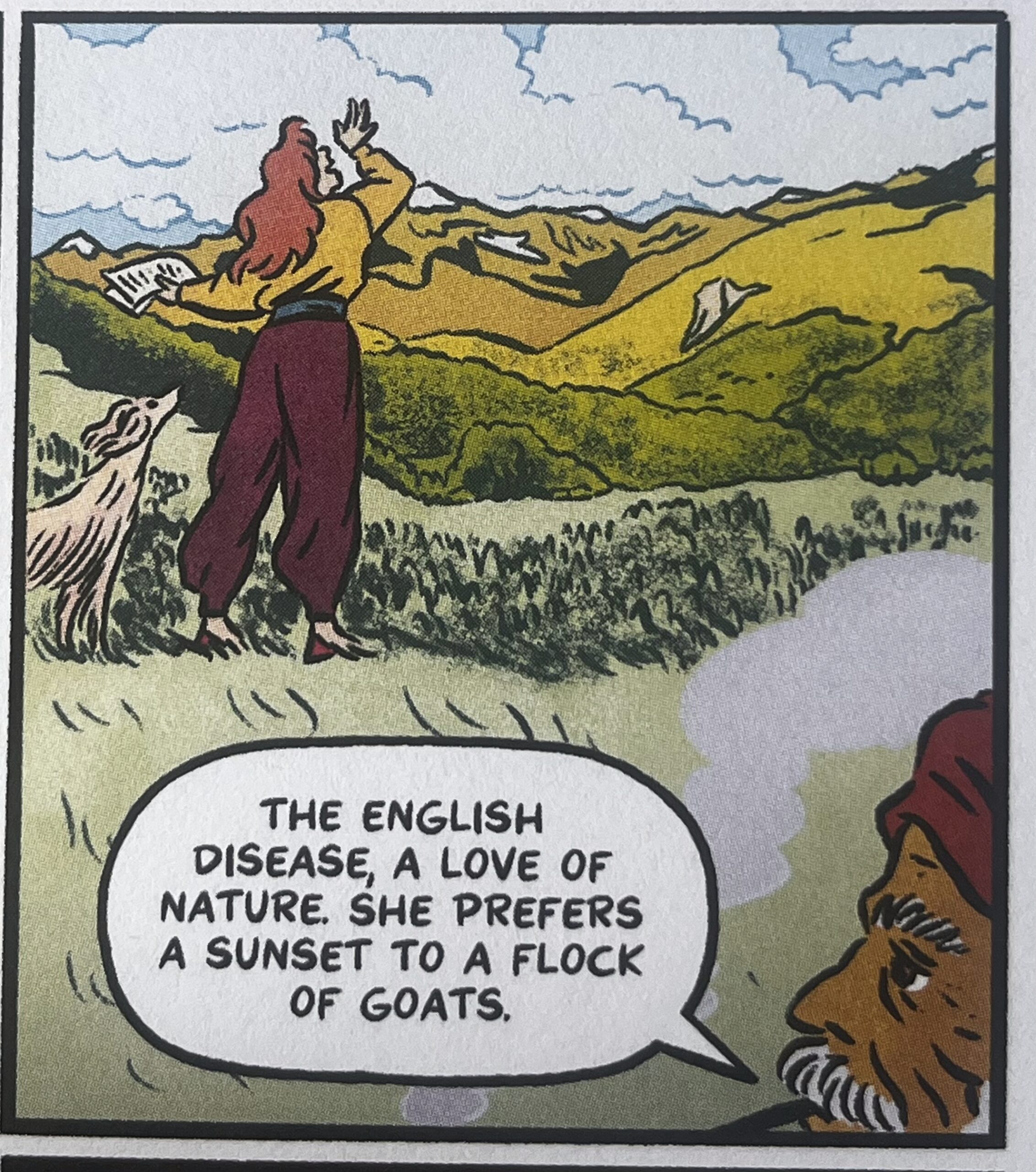
Some book news. I have written the foreword for the new graphic novel version of Orlando by Virginia Woolf, adapted by Jules Scheele. The book is colourful and sexy and is out now, published by Avery Hill of London, UK.
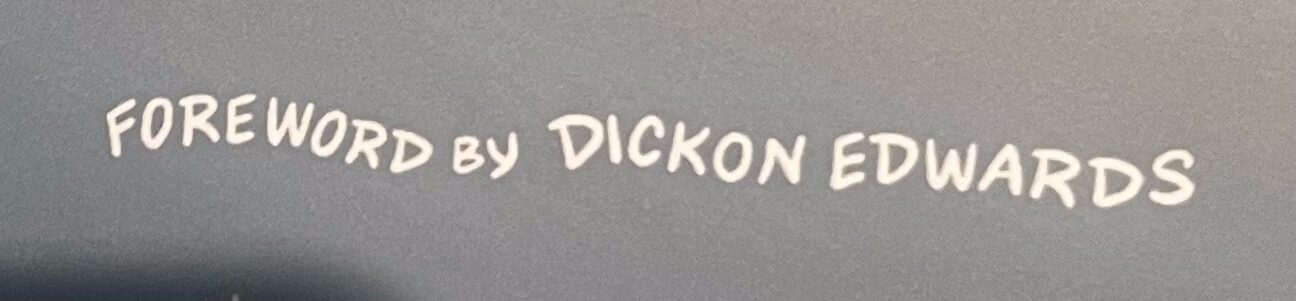
I like the way Mr Scheele has rendered my name on the back cover, in wavy letters to match his and Woolf’s names on the cover.

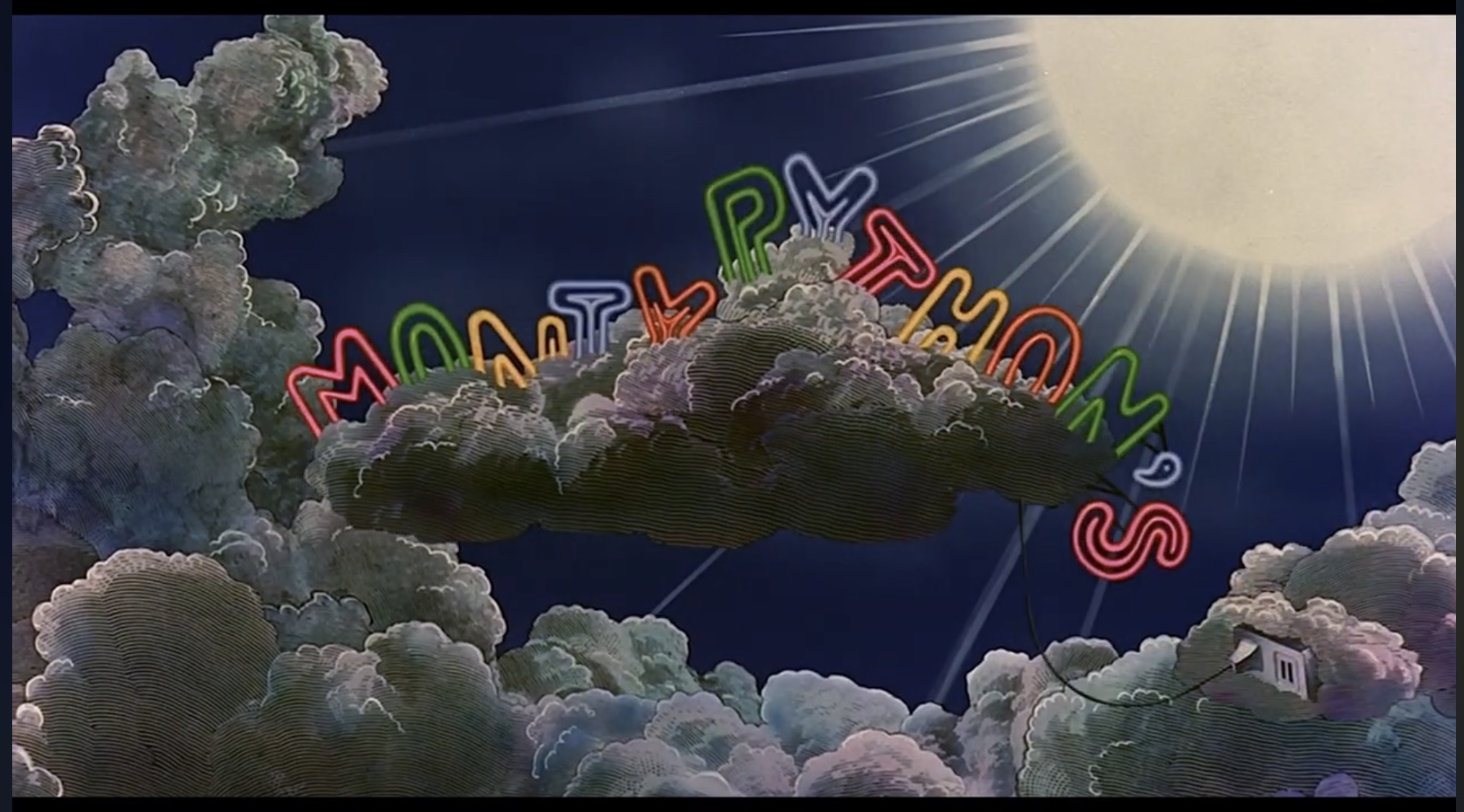
I think of the opening titles of Life of Brian, where the words ‘Monty Python’s’ are a wavy neon sign on a cloud.
Some show news. I am appearing at a Saturday afternoon event about diaries in London.
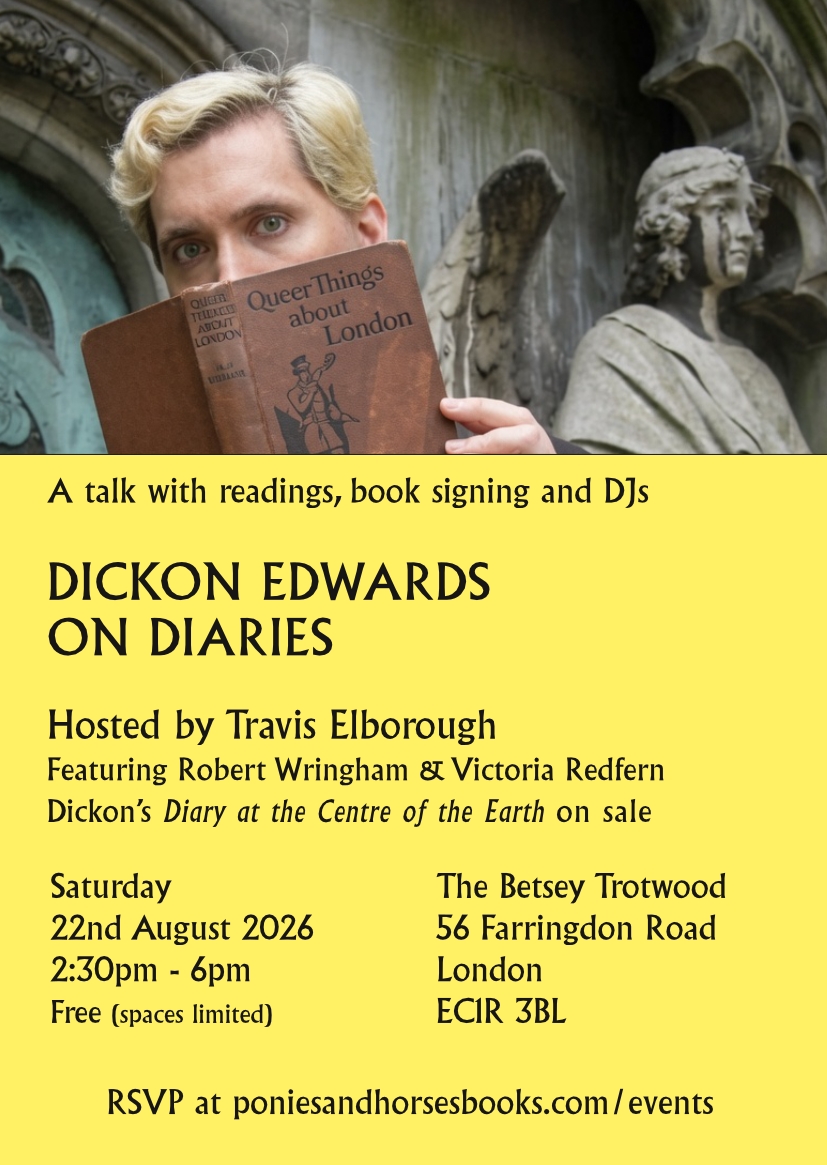
I will be discussing how to write a diary, how to read a diary, and why diaries are good for you. Travis Elborough will be interviewing me, and I will sign books. There will also be DJs and guest readers, who will read diary entries by the likes of Samuel Pepys, Derek Jarman, and Virginia Woolf. The venue is the Betsey Trotwood, 56 Farringdon Road, London EC1R 3BL, Saturday 22nd August, 2.30pm-6pm. Free entry, but tickets must be reserved on Eventbrite. https://www.eventbrite.co.uk/e/dickon-edwards-on-diaries-tickets-1992055199727
**
New Diary Entry:
Sunday 21st June 2026. To Hastings Museum for the Sanctuary Festival, a free event to raise awareness of refugees. It is a hot, sunny day and the museum grounds are packed with stalls, stages and people, spilling out onto the grounds of the Summerfields Leisure Centre next door. As I pass I see a small stage at one end, with a choir singing Joni Mitchell’s ‘Big Yellow Taxi’ in multi-part harmonies.
When I first moved to Hastings after so long in London, I was warned: ‘you’ll get bored!’ But there really does seem to be a different festival in Hastings every week. And the festivals are usually so popular that, as Wilde pointed out about galleries, even if the entertainment is not interesting, one can enjoy looking at the other people there.
I used to feel awkward attending festivals at which I had not been invited to appear, as I became too envious of those who had. Particularly if I thought that some of those who had been invited to appear were manifestly less interesting than me.
I have since resolved this dilemma by (a) getting paid to do a PhD, which rewired my brain into a more graceful machine; (b) having a book out; people always need to have something to buy, to reify their interest, to shore up their encounter with your art; and (c) regarding myself as a one-man festival wherever I go.
This is a dandy version of positive thinking, though the principles can be used by anyone. Cultivate an appearance that is very ‘you’, celebrate all the things that you like, and direct others to these things as well. Be your own festival, at all times. Bring the festival.
Indeed, one can use an internet diary as a form of festival. An online space is known as a ‘platform’, after all. All the internet’s a stage.
In this spirit, at the Sanctuary Festival I enjoy Remi Graves’s poetry salon, organised in collaboration with the Hastings Queer History Collective. Superb readings by Graves along with Abu Leila and Basil Alsheikh, on queerness, race, migration, and growing up in warzones. The setting is the museum’s Durbar Hall, a spectacularly ornate room made from dark wood carved in an Indian palace style. It was originally made in 1886 by two Punjabi craftsmen, Mohammed Baksh and Mohammed Juma, for the Colonial and Indian Exhibition in London. Having this product of the British Empire serve as a backdrop to poems on 21st century migration gives this event something of a site-specific frisson.
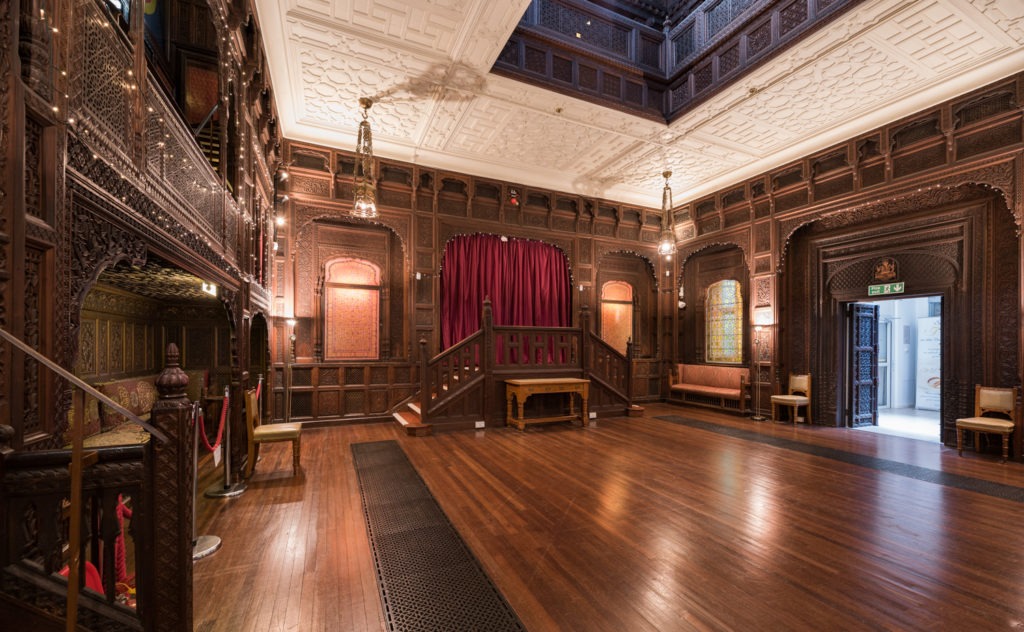
Abu Leila reads from a smartphone, a typical practice at poetry readings now. In between each poem they pause for some time. I think at first that this is an artistic touch, to allow the poem to properly take its hold on the audience. But I then realise that they are just scrolling to find the next poem, in the same way that one might flick through a notebook. For all my love of analogue media, I have to praise phones for the way they can hide the nuts and bolts of life. Phones may turn some people into mindless zombies, but they can also turn them into mindful monks.
I am particularly taken by one of Graves’s poems, ‘Held’, which makes me think of ‘We Two Boys Together Clinging’, the Walt Whitman poem that inspired the David Hockney painting of the same name. After the poetry event I walk into the room next door to look at the museum’s temporary exhibition on local queer history, Lemons, Laws and Secret Doors. ‘Lemons’ being local slang for lesbians in the twentieth century. One of the displays features that same Hockney painting, used here in the story of a local gay couple, Charles and Jeremy. They met in the early 1980s and are still together today. In 1981, Charles sent Jeremy a postcard of the painting as a Valentine’s Day card. Years later they had the ‘We Two Boys’ phrase made into a neon sign for their kitchen in Hastings. The sign is in the exhibition. It further turns out that Hockney lived in Hastings himself in 1958, specifically at Cliff Cottage, West Hill, St Leonards.
The Lemons exhibition is full of rich detail illustrated by ingenious ideas. A canvas installation is painted to resemble the outside of a rocky cliff. This is to commemorate the gay discos held in the 1980s in St Clements Caves, a venue carved into the solid rock under the West Hill. Visitors to the exhibition are invited to put their heads through a flap in the canvas, where they see a video of 80s people dancing to Bronski Beat’s ‘Smalltown Boy’ and Hazell Dean’s ‘Searchin’’. I nearly titled this diary entry ‘The Caves of Hazell Dean’.
Another exhibit is a 1980s-style community notice board, made up of typewritten advertisements on pinned postcards. The twist is that the adverts are for local queer organisations operating in 2026, like the publisher Cipher Press, the club night Laundry Day, and the ‘wrestling cabaret’ Hagstone Stunners. To see an Instagram ‘@’ address typed onto a postcard by a 1980s manual typewriter gives me a feeling of uncanny giddiness. It surely risks summoning some kind of time demon, like an episode of Sapphire and Steel.
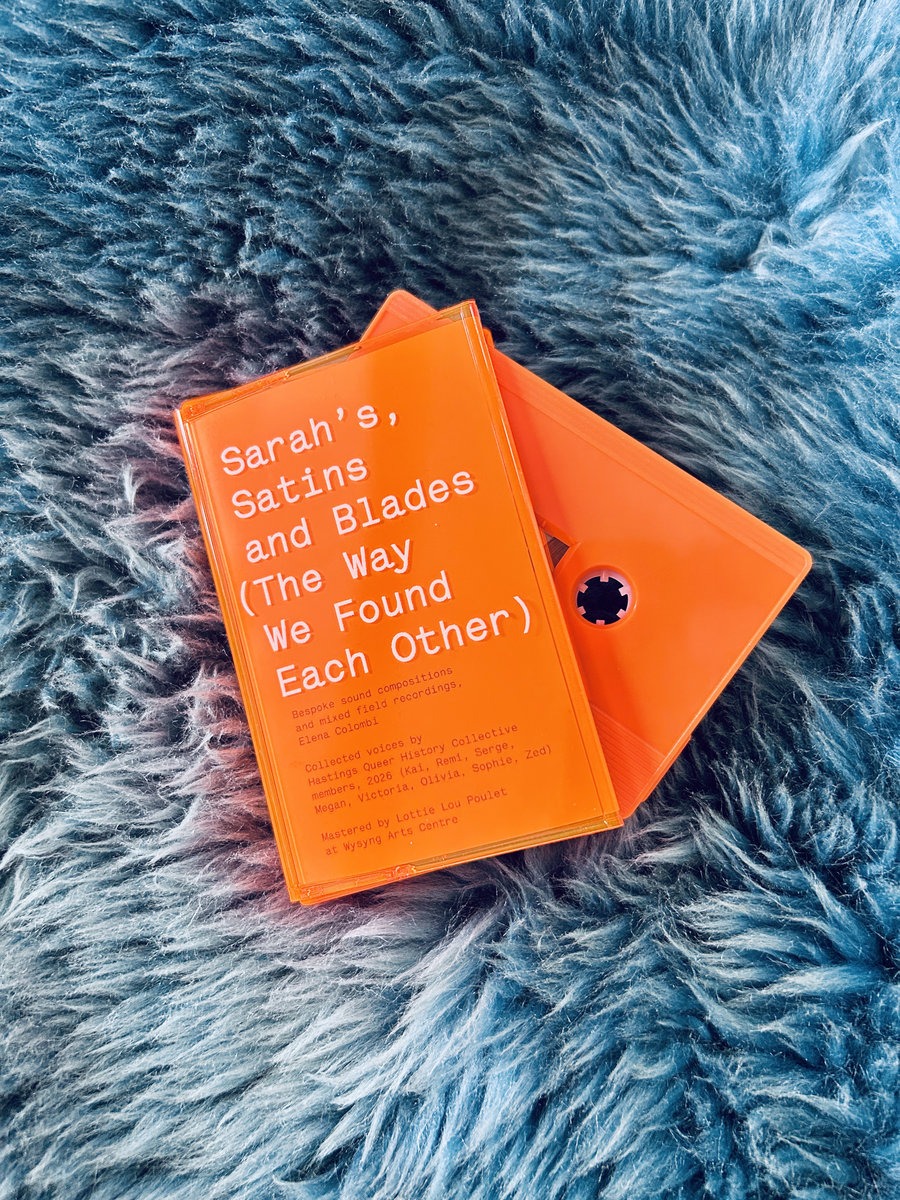
There are further games with anachronisms. The visitor can listen to a cassette recording of readings from newsletters produced by Hastings gay societies of the 1970s and 80s, blended with new music by the DJ Elena Columbi. The cassette and its cover are rendered in a very contemporary design in clear orange plastic, so the object manages to look new and old at the same time. I buy a copy in the museum shop. It must be the first cassette I have bought in thirty years.
Tags: abu leila, basil alsheikh, elena columbi, hastings, hastings museum, hastings queer history collective, jules scheele, mohammed baksh, mohammed juma, Orlando, remi graves, shows, virginia woolf



